Roadworks planned across Gedling borough this week listed


Good morning everyone 🌅 Here's your daily email updating you on the latest news and information from across Gedling borough.
Here's our list of roadworks planned across Gedling borough this week
Take a look at the roadworks and closures scheduled for Gedling borough’s roads for the week beginning March 13.
Make sure to plan your journey and check before your travel as these planned works could affect you.
Calverton Road, Arnold
16 April
Roadworks, Delays likely
Responsibility for works: Severn Trent Water
Carlton Hill, Carlton
15 April - 18 April
Road closure for carriageway resurfacing
Responsibility for works: Nottinghamshire County Council
Carnarvon Grove, Carlton
15 April
Road closure
Responsibility for works: Severn Trent Water
Nottingham Road, Arnold
18 April - 22 April
Roadworks, Delays likely
Responsibility for works: National Grid
Sandford Road, Mapperley
14 April - 18 April
Road closure
Responsibility for works: National Grid
Stoke Lane, Gedling
15 April - 16 April
Road closure
Responsibility for works: Network Rail Infrastructure Ltd
Blidworth Waye, Papplewick
15 April - 16 April
Roadworks, Delays possible for pothole repairs
Responsibility for works: Nottinghamshire County Council
Cavendish Road, Carlton
15 April
Roadworks, Delays possible
Responsibility for works: Severn Trent Water
Conway Road, Carlton
19 April
Roadworks, Delays possible
Responsibility for works: Openreach Ltd
Forester Street, Netherfield
14 April - 17 April
Roadworks, Delays possible
Responsibility for works: Severn Trent Water
Freda Avenue, Gedling
16 April - 17 April
Roadworks, Delays possible for pothole repairs
Lingwood Lane, Woodborough
15 April - 16 April
Roadworks, Delays possible
Responsibility for works: Openreach Ltd
Main Street, Woodborough
16 April
Roadworks, Delays possible
Responsibility for works: Severn Trent Water
Mansfield Road, Arnold
15 April
Delays possible for lane closure
Responsibility for works: Nottinghamshire County Council
Nottingham Road, Woodborough
15 April - 16 April
Roadworks, Delays possible
Responsibility for works: Nottinghamshire County Council
Peters Close, Arnold
15 April - 18 April
Roadworks, Delays possible
Responsibility for works: Openreach Ltd
Roslyn Avenue, Gedling
16 April - 17 April
Roadworks, Delays possible for pothole repairs
Responsibility for works: Nottinghamshire County Council
Shelt Hill, Woodborough
14 April
Roadworks, Delays possible
Responsibility for works: Severn Trent Water
The Heyes, Ravenshead
15 April - 17 April
Roadworks, Delays possible
Responsibility for works: Openreach Ltd
Westdale Lane East, Gedling
16 April - 17 April
Roadworks, Delays possible from Adbulton Avenue to South View Road.
Responsibility for works: Nottinghamshire County Council
Newstead Abbey receives cash boost for urgent repairs
Newstead Abbey is to receive a funding boost from the Government to carry out a number of essential repairs to protect it for future generations.
The historic house will receive a share of just over £5 million and is amongst 130 venues across the UK receiving cash.
The venue has been awarded £1,550,747 to use for urgent repairs to the former home of the poet Lord Byron, which has immense historical and architectural importance.
The funding will be used for urgent repairs to the slate roofs, rainwater systems and internal ceilings to make the building wind and watertight, protecting the heritage and culture items it has inside.
Culture Secretary, Lisa Nandy said: “Arts and culture are the beating hearts of our communities, they have the power to unite us in the face of division and break down barriers to opportunity. We want to harness the power to help us build a brighter future for the people of the East Midlands.”
Has a friend forwarded you this edition of Gedling Eye's Morning Edition? You can sign up to receive the latest email newsletter direct to your inbox every weekday morning by signing up via the button below...
LONGER READ: Thousands more homes in Notts could be protected from volatile energy market with help from River Trent
Thousands more homes and businesses across Notts could get access to cheaper energy under plans to expand a system that allows Nottingham to generate its own power.
Nottingham’s district heat network, which is the oldest and largest in the country, is currently powered by the burning of 180,000 tonnes of household waste at the Eastcroft Incinerator.
There are now hopes to boost the network’s capacity by potentially using the River Trent or Nottingham canal.
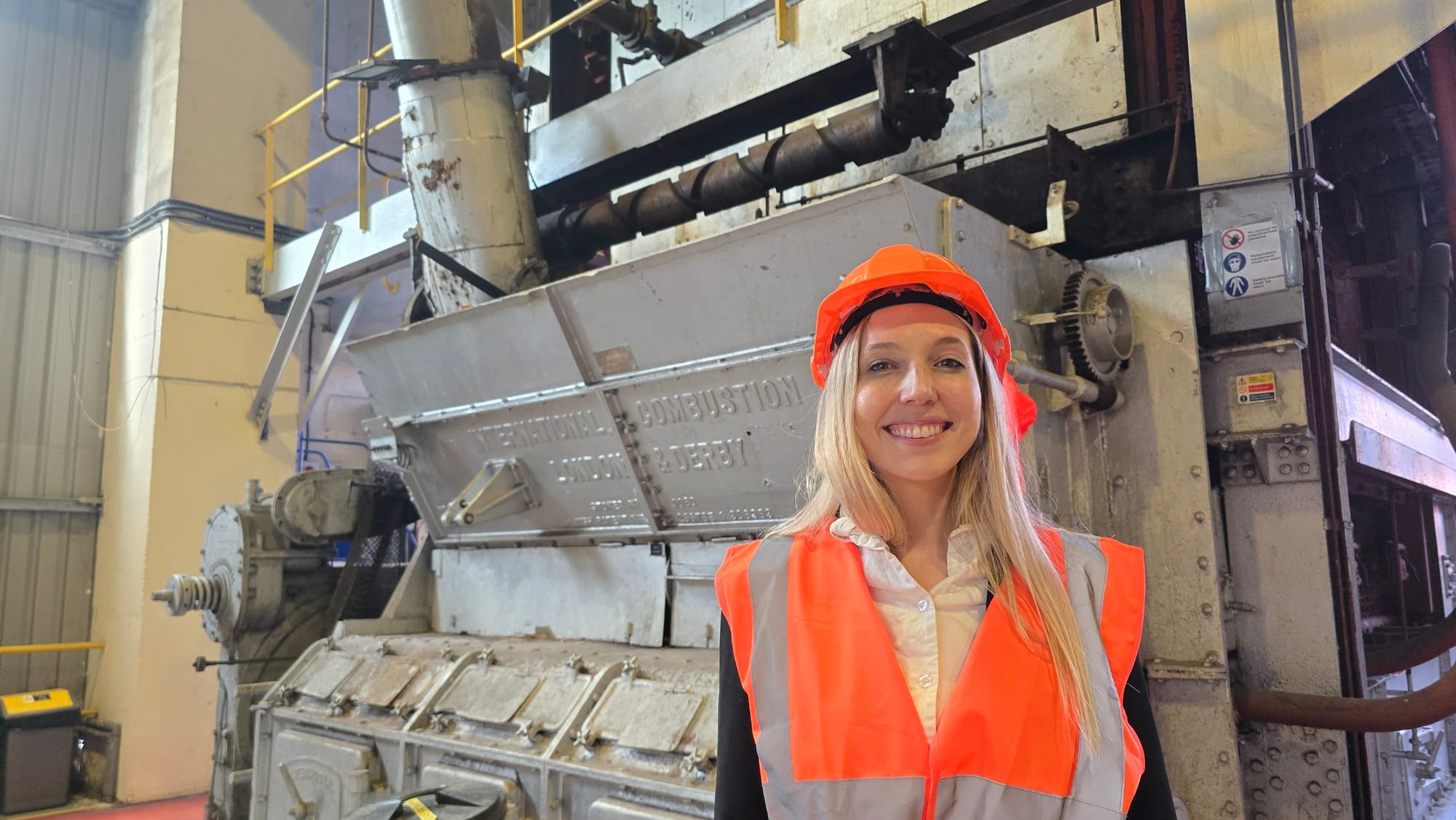
Cllr Sam Lux (Lab), Nottingham City Council’s lead member for climate and energy, said this could help safeguard residents and businesses from extremely volatile energy prices, which are surging due to several conflicts, including in Iran and Ukraine.
“We know we need to invest in the network one way or the other because we want to optimise the way it functions now to serve existing customers, but we also want to see it reach its full potential and expand to reach more customers, both residents and businesses,” she said.
“So what we are doing is essentially understanding our options in terms of where investment comes from. It could be the council invests or the market, or a combination.
“More people and businesses will ultimately be connected to the district heating network, and that means we are growing our own energy in Nottingham, for Nottingham people, so those people who are connected will be protected compared to people who are relying on foreign imports of gas.
“It is another step towards improved energy security. We want to make sure people are protected as far as possible from those volatile energy markets internationally.”
The Local Democracy Reporting Service (LDRS) was given a tour around the London Road heat station on Monday (April 13).
The whirring of the large structure, which has been described as akin to a jet engine, can sometimes be heard across the city when excess steam is expelled from the facility.
Nottingham’s network, which consists of 90km of pipes that run underneath the city centre and St Ann’s, dates back to the 1970s.
The original heating network was established as a joint venture between British Coal and the Nottingham Corporation (which preceded the city council) in the early 70s.
In 1995, upon the collapse of British Coal, it was transferred to Nottingham City Council where it began operating as an arms-length management company called EnviroEnergy (Nottingham) Ltd.
The council assumed full control of the network in 2022, and today it provides heating and hot water for 5,000 homes and more than 100 businesses across the city, with energy created from the burning of household waste at the Eastcroft incinerator.
Heat energy comes from the incineration of waste, which creates a supply of super-heated high-pressure steam used by the London Road heat station to heat and supply hot water to homes and business in the city.
Some of the waste also comes from Gedling, Broxtowe and Rushcliffe.
Just three per cent of all domestic energy comes from district heating networks, and the Labour Government wants to increase this to 20 per cent by 2050 under its plans to move towards more sustainable energy.
The Government has already been investing in new heat networks across the country, and most recently announced it would be giving Hull City Council a £27 million loan to help fund a new, low-carbon underground heating system.
In February, the Department for Energy Security and Net Zero (DESNZ) published an extensive report detailing potential future options for new heat zones across the city, with Nottingham already ahead of the game with its own existing network.
A total of 12 so-called “heat network zones” have been identified in Nottingham, with two of these considered strategic zones, and could therefore receive investment first.
The report estimates the capital expenditure to link up all buildings across the 12 zones would be approximately £1.9 billion, with initial zone opportunities – including the main ones in the city – amounting to around £650 million.
A new heat station, required to boost capacity, would also cost an estimated £40 to £45 million.
Ian Vernalls, programme director of the district heat network, said the network could more than double its output to allow for the expansion by using pumps that draw natural heat from the River Trent or Nottingham canal.
Cllr Lux said the council would soon be going out to the market to understand what organisations in the private sector might be interested in partnering with the council to move forward its plans.
Businesses could opt to move to the city to set up their operations with cheaper energy – similar to Iceland – where some aluminium manufacturers have chosen to move to use its cheap, home-grown energy generated through hydro and geothermal means.
“It will be a huge amount of money needed to invest in the heat network, but we think the benefits are absolutely huge and outweigh those costs ultimately,” she added.
The council’s senior members are expected to approve the next steps at a meeting on Tuesday, April 21.
Documents show the council intends to start exploring its options with the market from May 2026.
Despite Cllr Lux hoping for a partnership, the documents reveal that a transfer of the system and its assets could be on the cards within 18 months, “should this be confirmed as the best way to proceed.”
A transfer to a market provider could be seen as the best way to reduce financial risk to the council, while allowing for future investment opportunities, documents add.
BY JOE LOCKER (Local Democracy Repoter)
⚠️ Heads up...
🌤️ Weather: There will be a dry and largely sunny start to the day. Cloud then builds, with brighter spells becoming more limited through the afternoon. Many parts staying dry, but a few outbreaks of rain possible. Turning breezy. Tonight it will stay cloudy and breezy during the evening, with further outbreaks of rain. Heavier and more persistent rain around midnight, clearing by dawn. Mild.